
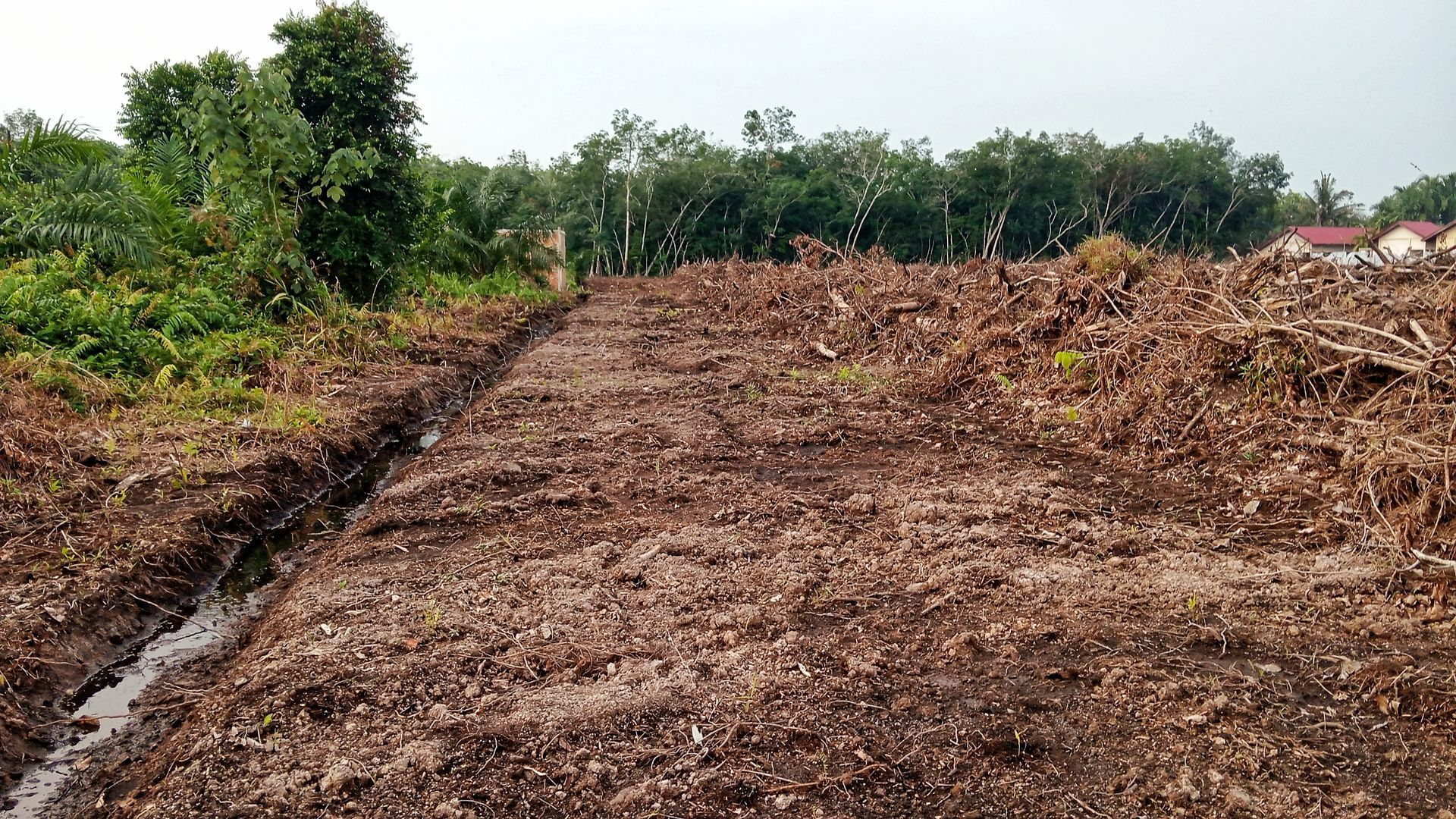
Overgrown Lots Cleared Down to Usable Ground
Lot clearing in Charlotte for properties with mature trees, heavy brush, or decades of growth blocking renovation, sale, or new construction
A lot covered in overgrown brush, aging trees, and accumulated debris looks manageable from the street until the actual scope becomes clear on foot. Oakhurst Landscaping and Tree Service clears residential and commercial lots in Charlotte with professional crews, skid steers, debris haulers, and the equipment capacity to handle jobs that smaller operators decline. The work covers full removal—trees felled and limbed, stumps pulled or ground, brush chipped or hauled—so the site is ready for the next contractor without a secondary mobilization.
Madison Park and surrounding Charlotte neighborhoods illustrate a clearing demand pattern that shapes a lot of Oakhurst's residential work: properties developed in the mid-twentieth century were planted heavily with hardwoods that have now reached the end of their functional life or outgrown their positions. When those lots go to renovation or resale, the trees and root systems left behind aren't a minor landscaping task—they require dedicated clearing equipment and crews who can sequence the work to avoid damaging adjacent properties. Oakhurst has completed multiple large jobs in that area and understands what those mature-tree lots actually involve at ground level.
Request a site visit from Oakhurst to review the lot conditions and determine what equipment and crew configuration the job requires.
What Proper Lot Clearing Requires on Site
The crew arrives with skid steers and debris haulers configured for the lot size and access points. Trees are felled and limbed in a sequence that keeps debris inside the clearing boundary and gives equipment room to move as the work progresses. Stumps are ground or removed based on what the lot is being prepared for—grinding depth for a slab pour differs from what's needed before grading for landscaping, and that distinction is established before the crew starts so the right approach is used from the beginning. Brush is chipped or hauled depending on volume. Equipment, labor, and disposal are all included.
When the crew leaves, what changes is immediate and measurable: the lot that was inaccessible by foot is now open, graded equipment can move freely across the surface, and root crowns that would have blocked a building pad or drainage swale are gone. Oakhurst's family-owned operation keeps the owner actively involved in job oversight, which means the clearing standard applied on the last lot matches what's delivered on the next one—a consistency that matters when the site handoff to a builder or landscaper has to happen on a specific timeline.
Lot clearing scope can expand once work begins if buried debris, unmarked utilities, or root systems that extend beyond the visible canopy edge are encountered. Oakhurst communicates those conditions to the property owner as they're identified rather than absorbing them silently or stopping work—a process that keeps the job moving and the property owner informed at each decision point.
Answers About How the Work Is Done
The following questions address the mechanics of lot clearing specifically—what equipment is used, how the site is left, and what conditions change the approach.
What equipment is used on a standard residential lot clearing job?
Skid steers handle brush and debris movement; debris haulers remove material from the site. Larger trees that can't be felled safely into available space are sectioned top-down before equipment moves in to clear root crowns and ground-level material.
How are stumps handled differently depending on what the lot is being used for?
Stumps left before landscaping are typically ground six to eight inches below grade, which is sufficient for sod or planting. Lots being prepared for construction require deeper grinding to eliminate lateral root mass that would otherwise interfere with compaction and slab prep.
Why does the sequence in which trees are felled matter on a tight lot?
Felling order determines where debris lands and how much staging room equipment has as work progresses. On lots with mature trees close together, the sequence is planned so that each tree that comes down opens access for the next rather than blocking it.
What does complete lot clearing include that partial clearing doesn't?
Complete clearing removes trees, root crowns, stumps, brush, and all above-grade debris. Partial clearing—common with lower bids—leaves stumps, root systems, or brush piles that require a second mobilization before grading or construction can begin.
How does the age of Charlotte's established neighborhoods affect the clearing scope?
Mid-century residential lots in areas like Madison Park were planted with hardwoods that now have extensive root systems well beyond the trunk base. Those root masses affect how deep stumps need to be ground and how much lateral clearing is required to produce a genuinely flat, workable surface.
Oakhurst Landscaping and Tree Service also clears lots in Concord, Mooresville, Huntersville, Fort Mill, and Stallings. Call (704) 201-2278 to schedule a site walkthrough and discuss what the lot requires before clearing begins.