
Stumps Ground Deep Enough to Replant or Build
Stump grinding in Charlotte for root systems that prevent replanting, sod installation, or construction on cleared ground
What remains after a tree is felled determines how usable the surrounding ground actually is—and the depth of stump grinding is the variable most contractors understate. Oakhurst Landscaping and Tree Service operates the largest stump grinder available for Charlotte-area jobs, pulverizing the stump and upper root mass as far below grade as the equipment reaches. Smaller grinders leave the lateral root structure largely intact at a shallow depth, which means stumps frequently regenerate, and the ground above cannot support sod, planting beds, or grading work without the roots eventually disrupting the surface.
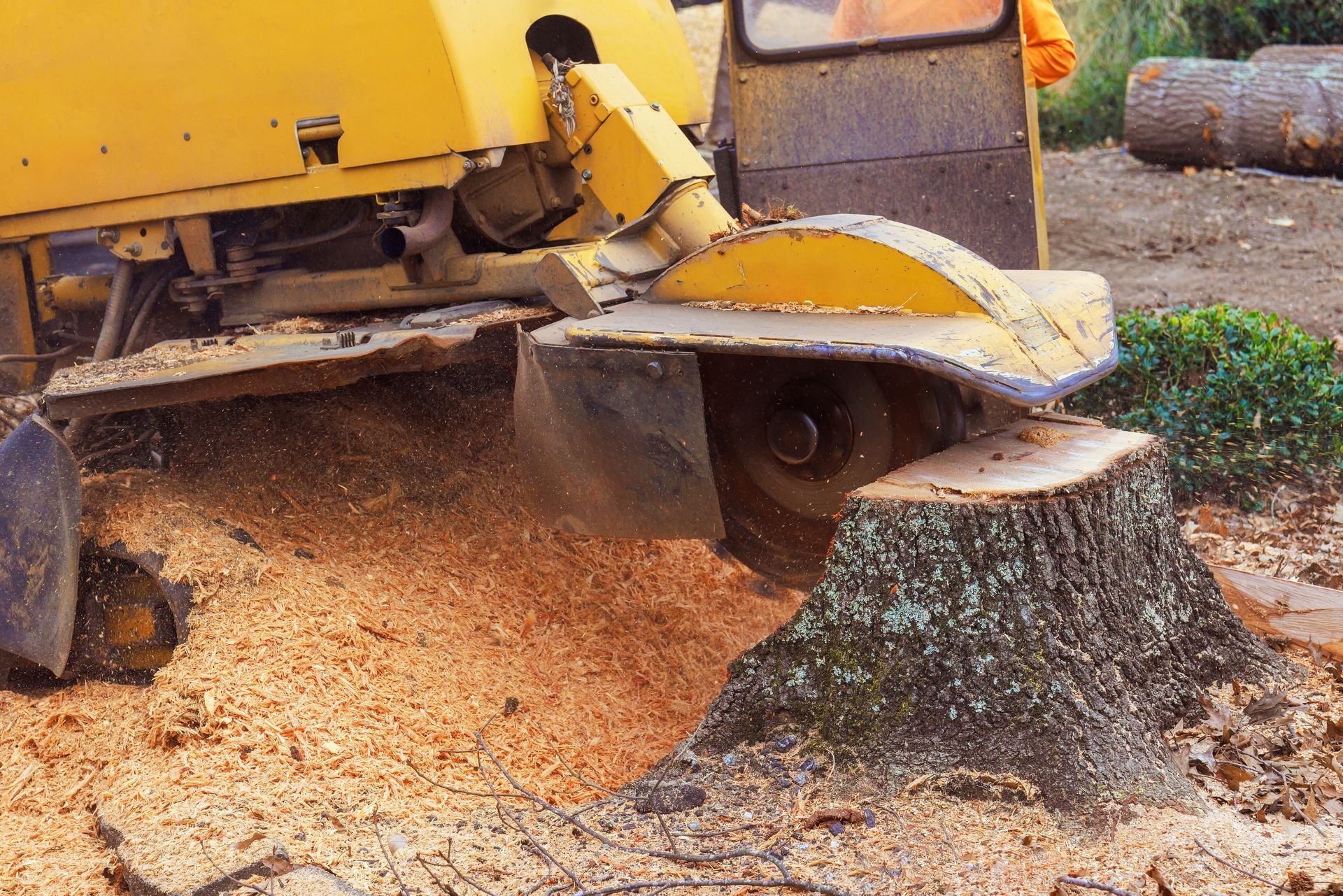
The grinding process begins after tree extraction is complete and the site is clear for equipment positioning. The grinder is set directly over the stump and works outward through the root flare, reducing the stump and upper root structure to wood chip material that can be removed or worked into the soil depending on the intended use of the area. In Huntersville and similar Charlotte-area communities where new construction and lot clearing are active, this step is often required before grading crews can work the ground—shallow stumps that were not properly ground become obstacles that surface-grade equipment cannot manage.
To discuss the size and location of stumps on your property and what grinding depth is appropriate for your planned use of the ground, call Oakhurst Landscaping and Tree Service at (704) 201-2278.
The Difference Between Shallow and Deep Stump Removal
Stump grinders work by feeding a rotating carbide-tipped cutting wheel across the stump in overlapping passes, reducing wood to chips from the top of the stump downward. The limiting factor is equipment size: a smaller machine has a cutting wheel with a narrower diameter and less downward reach, which means it grinds the visible stump but leaves a significant root mass at 6 to 8 inches below grade. That depth is enough to produce stump sprouts from most hardwood species within a single growing season, and it is not deep enough for sod establishment over the area or for a grading cut that will remove the remaining root mass later.
After grinding with the largest available equipment, you will notice that the ground over the former stump location is level with or slightly below the surrounding grade, the wood chip material is removed or redistributed, and no visible root flare or stump edge remains above surface. That condition is what allows sod to be laid directly over the area, new trees or shrubs to be planted without root competition from the old stump, or construction grading to proceed without obstruction from buried root mass that smaller equipment would have left in place.
The scope of a stump grinding job is limited to the stump and upper root flare—lateral roots that extend outward from the base are not typically addressed unless a specific area of concern is identified during the assessment. If lateral roots have lifted adjacent hardscape such as concrete edging, pavers, or a driveway apron, that condition is noted during the on-site evaluation and addressed separately as a root removal or hardscape repair issue distinct from the grinding work itself.
Questions Before Starting Your Project
These questions address how stump grinding is performed, what equipment is used, and what the ground condition looks like once the work is finished.
How does equipment size affect how deep a stump is ground?
The cutting wheel diameter determines both the horizontal coverage per pass and the maximum grinding depth—larger wheels reach deeper into the root mass and cover the root flare in fewer passes, while smaller machines require more passes at shallower depths and often cannot reach the root mass below the flare at all.
What happens to the wood chip material produced during grinding?
Wood chips are either removed from the site entirely or worked into the surrounding soil depending on the intended use of the area—chips used as mulch over a former stump area will compact over time as they decompose, so areas intended for sod or construction typically have chips removed and hauled off.
Why do some stumps regrow after grinding and how is that prevented?
Most hardwood species retain the ability to produce root sprouts from any remaining living root tissue below the grind depth—grinding deep enough to eliminate the root flare and the top portion of the primary root mass removes the tissue most responsible for sprouting, which is why equipment reach is the determining factor in whether regrowth occurs.
How does the lot development pattern in Charlotte's newer suburban communities affect stump grinding logistics?
In areas with active lot clearing and grading, stumps are often ground as part of a sequenced site preparation process—grinding must be completed and chips removed before grading equipment can establish finish grade, which means scheduling grinding in coordination with the grading contractor rather than as an independent afterthought.
What should the ground look like directly after stump grinding is finished?
The stump surface and visible root flare should be reduced to below grade, the surrounding ground should show no raised edges or woody material above the surface, and the area should be flat enough for immediate sod contact or ready for the fill material needed to bring it to finish grade for planting.
Oakhurst Landscaping and Tree Service also performs stump grinding in Concord, Mooresville, Huntersville, Fort Mill, and Stallings. Call (704) 201-2278 to describe the stumps on your property and determine the right equipment and approach for the ground use you have planned.