
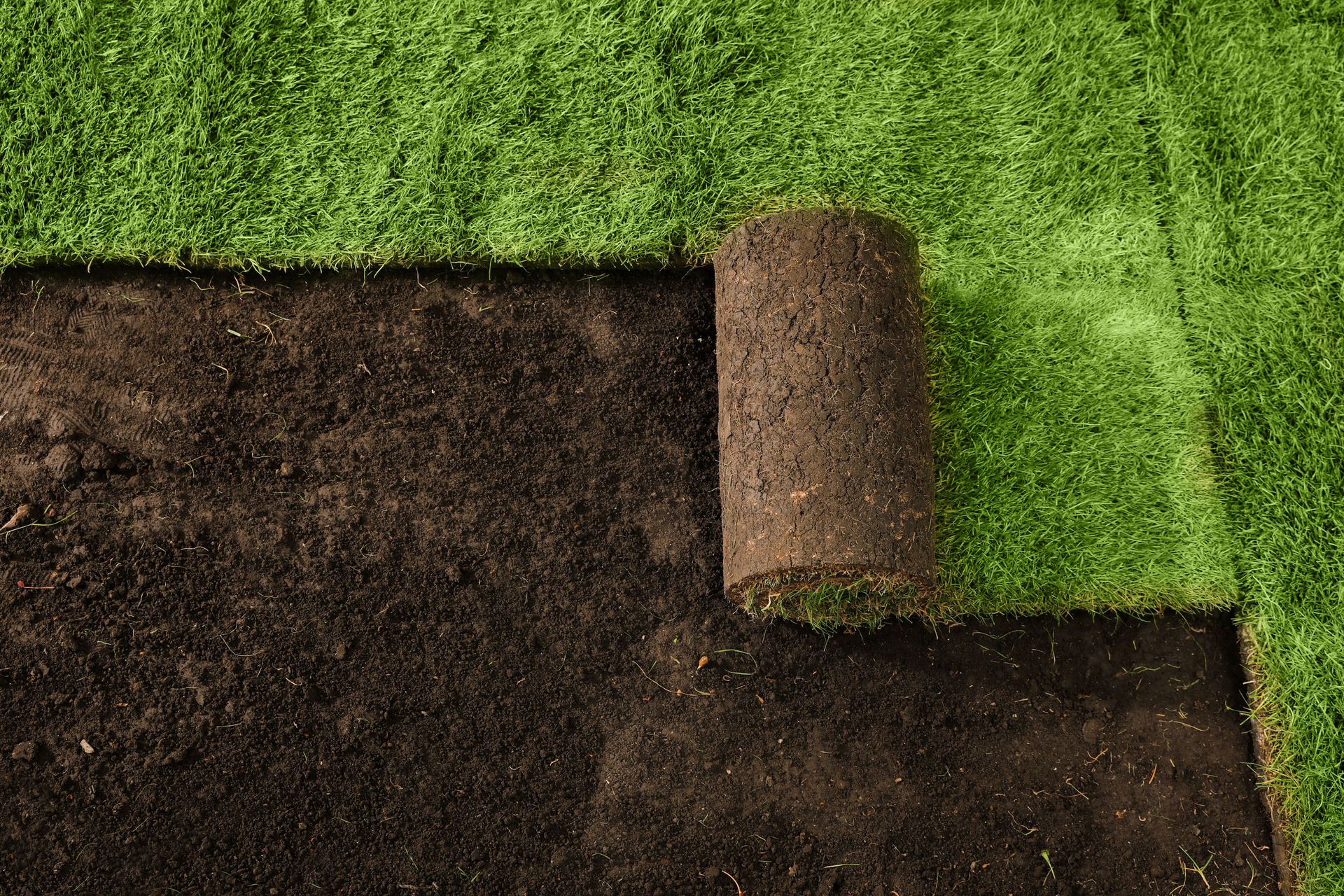
Bare Ground Covered with Established Lawn
Sod installation in Charlotte for properties left with exposed soil after lot clearing, tree removal, or grading work
After lot clearing or tree removal, the ground left behind is rarely in condition to seed or plant without preparation—it's uneven, compacted by equipment, and often stripped of the topsoil layer that supports root development. Oakhurst Landscaping and Tree Service installs sod in Charlotte as both a follow-on service after clearing or grading work and as a standalone project, handling the soil prep, grading, and sod installation in sequence so the finished lawn takes hold rather than failing in the first establishment period. Properties in Fort Mill and Waxhaw that have gone through active lot work or construction prep are among the most common applications.
The installation sequence begins with grading the site to the correct slope and preparing the soil surface to receive sod—a step that involves more than raking. Sod roots need direct, uninterrupted contact with prepared soil from the moment it's laid, which means the surface has to be at the right grade, firm enough to support foot traffic during installation without leaving impressions, and clear of debris that would create air gaps under the sod rolls. Fresh sod rolls are then laid in a staggered brick pattern and rolled to press the roots into contact with the soil, which is what determines whether the lawn knits together within weeks or fails at the seams.
Schedule a site assessment with Oakhurst to evaluate the current ground condition and determine what preparation the area needs before sod can be installed.
The Difference Between Sod That Establishes and Sod That Fails
Sod fails most often at the seams and at the edges of low spots—two conditions that both trace back to soil preparation rather than the sod itself. When the surface beneath isn't graded to consistent contact, air pockets form under the roll edges and roots dry out before they can penetrate. Oakhurst's installation process addresses this by grading the soil surface before laying any sod, then rolling the installed sod with a lawn roller to eliminate gaps between the root mat and prepared soil. Seams are staggered across the area so no two rows share a full-length joint, which distributes the establishment load and prevents visible seam lines in the finished lawn.
Once installation is finished, the observable change is immediate—bare or eroding soil is replaced with a continuous grass surface—but the establishment period that follows determines whether that surface becomes a functional lawn or reverts to patchy cover. Oakhurst provides a watering schedule at the time of installation so the property owner knows how frequently and how deeply to water during the critical first weeks when roots are anchoring into the prepared soil. Labor, sod, and soil preparation are all included in the installation; the establishment watering is the one responsibility that stays with the property owner.
When sod installation follows lot clearing or grading that Oakhurst has already performed on the same property, the soil is already graded and the surface condition is known. That continuity means no rework of a surface that was already prepared, and the sod installation can proceed directly rather than requiring a separate mobilization to re-address grade issues that were created—or left unresolved—by a different contractor.
Common Questions About Sod Installation Work
The questions below cover how sod installation is performed, what prepares a site properly, and what the lawn should look like and do during the establishment period after installation is complete.
What soil preparation is done before sod rolls are laid?
The surface is graded to remove high and low spots, then the top layer is loosened to give roots a medium they can penetrate quickly. Any compaction left by equipment from prior lot work is addressed at this stage—sod laid over heavily compacted subsoil roots shallowly and shows stress within the first dry period.
Why are sod rolls laid in a staggered pattern rather than in straight rows?
Staggering seams distributes the joints across the area so no continuous line runs across the lawn. Straight-row installation creates visible seam lines that remain apparent as the lawn matures and creates weaker points where the edges of adjacent rolls meet rather than overlapping growth.
How does the rolling step after installation affect establishment?
Rolling presses the sod's root mat into direct contact with the prepared soil beneath, eliminating air gaps that dry out roots before they can anchor. On uneven surfaces, rolling also identifies low spots that need additional grading before the sod is permanently in place.
What does properly established sod look like at the end of the establishment period?
The lawn should show continuous color without brown seam lines or patchy areas that indicate failed root contact. Individual rolls should no longer be distinguishable at the surface, and the grass should resist light pulling—a sign roots have penetrated the prepared soil rather than sitting on top of it.
How does sod installation change when the lot has just been cleared versus when existing lawn is being replaced?
Post-clearing sites often need more extensive soil preparation because equipment compaction and debris removal leave the surface irregular and stripped. Existing lawn replacement typically requires removal of the old turf layer first, followed by surface grading before new sod is installed.
Oakhurst Landscaping and Tree Service also installs sod in Concord, Mooresville, Huntersville, Fort Mill, and Stallings. Call (704) 201-2278 to discuss the site condition and what preparation the area requires before sod installation can begin.